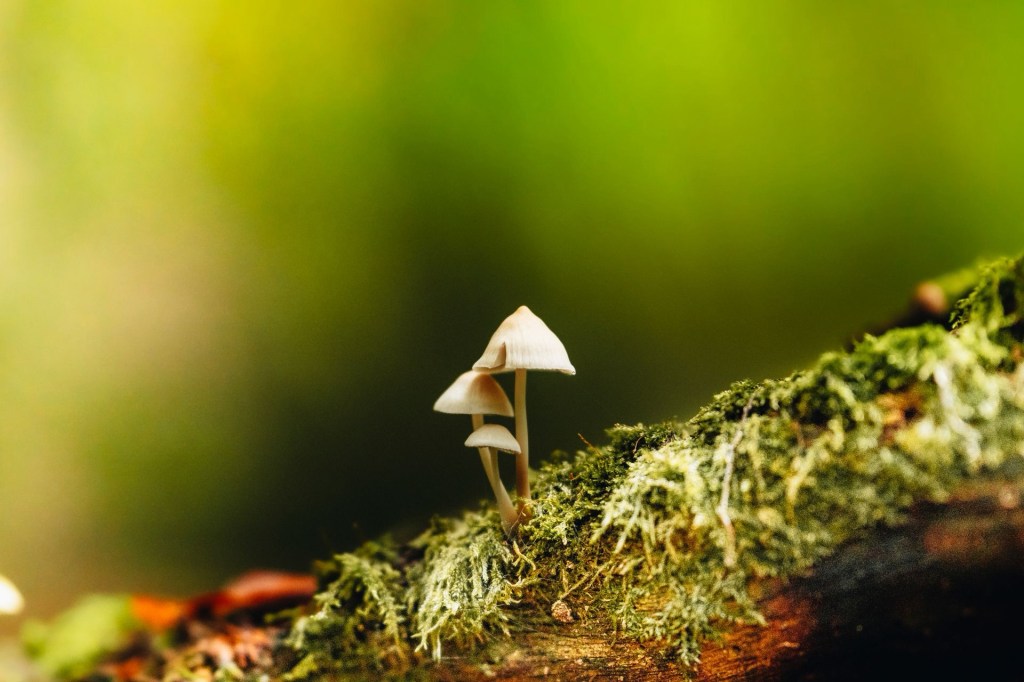
Mycelium is the vast, underground network of thread-like structures (called hyphae) that form the root system of fungi. Often hidden beneath forest floors or soil, mycelium plays a vital role in ecosystems—connecting plants, breaking down organic matter, and recycling nutrients. Scientists sometimes refer to it as nature’s “internet” because of how it links plants and allows them to share resources and communicate.
From a health perspective, mycelium is gaining attention for its potential benefits. Many medicinal mushrooms—such as reishi, lion’s mane, and cordyceps—derive much of their power from their mycelial networks. These compounds are rich in antioxidants, beta-glucans, and other bioactive substances that may support immune function, reduce inflammation, and help the body respond to stress.
Mycelium is also being studied for its impact on gut health. Its natural compounds can act as prebiotics, helping to nourish beneficial gut bacteria. A balanced gut microbiome is closely linked to improved digestion, stronger immunity, and even better mood regulation.
In addition, certain types of mycelium are being explored for their potential neuroprotective properties. Early research suggests they may support brain health, enhance focus, and even encourage nerve regeneration—making them especially interesting in the study of aging and cognitive decline.
Beyond personal health, mycelium contributes to environmental wellness, which indirectly supports human health. It helps detoxify soil, break down pollutants, and sustain plant life—reminding us that our well-being is deeply connected to the natural world.
In simple terms, mycelium is both a healer beneath our feet and a promising ally in human health, offering benefits that are only just beginning to be fully understood.
• Step into Stillness •


Leave a comment