AFHCo
-
INDOOR PLANTS
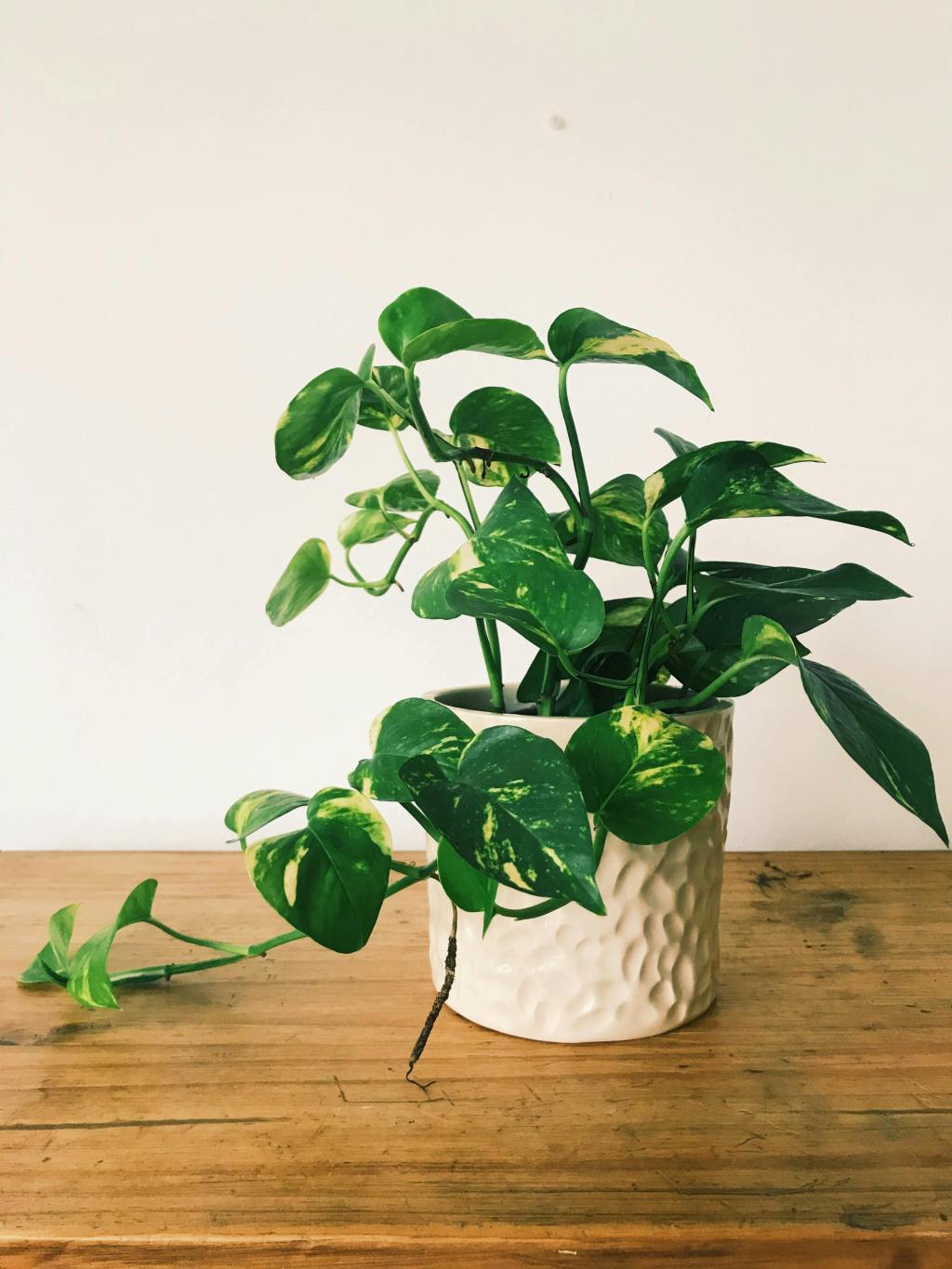
Indoor plants can help improve air quality, humidity, and overall your well-being. Some plants are better than others for absorbing certain compounds and creating a fresher environment. Here are some of the best houseplants commonly associated with air improvement—and they’re… Continue reading
-
Nature’s Quiet Spacing
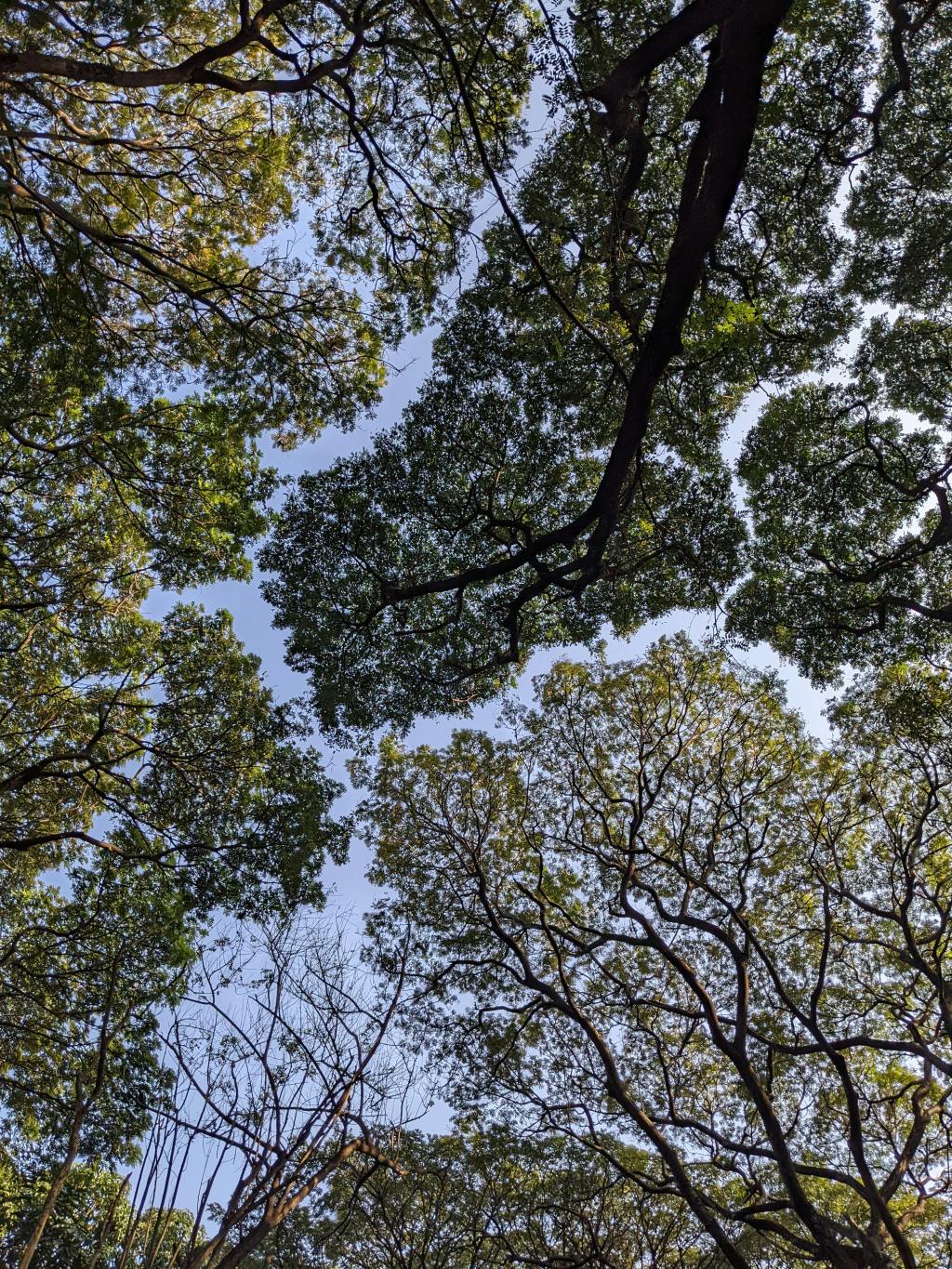
If you’ve ever looked up into a forest canopy and noticed thin, winding gaps between the tops of trees—almost like puzzle pieces that never quite touch—you’ve witnessed a phenomenon known as crown shyness. What is Crown Shyness? Crown shyness occurs… Continue reading
-
Is Shinrin-Yoku even relevant in 2026?
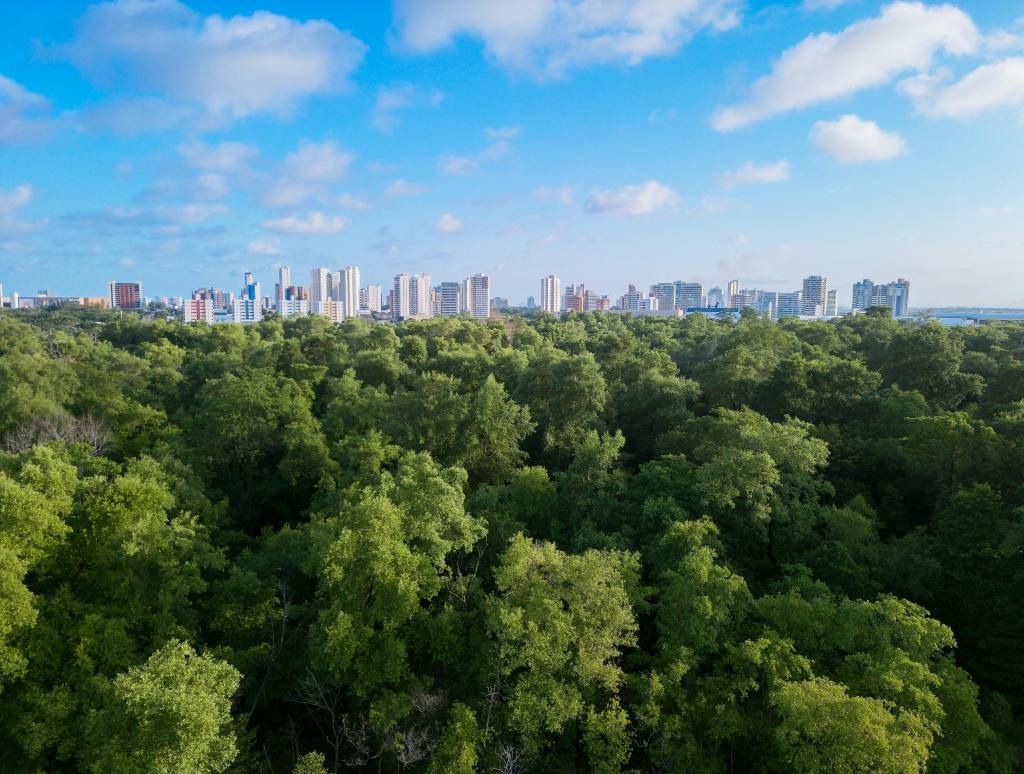
Shinrin-Yoku (forest bathing) isn’t just a calming practice— and it’s becoming increasingly relevant in 2026 because of how modern life is evolving. People are more “connected” than ever—constant notifications, remote work, AI integration, and screen-heavy lifestyles. That level of stimulation… Continue reading
-
Nature was Humanity’s First “Deity”. BUT GOD.
Animism: The Earliest Belief System The oldest known spiritual framework is called Animism. So instead of “worshipping nature” as a single god, early humans were in relationship with a living, spiritual world. Nature as Sacred, Not Separate As societies developed,… Continue reading

-
Folk Remedies Friday
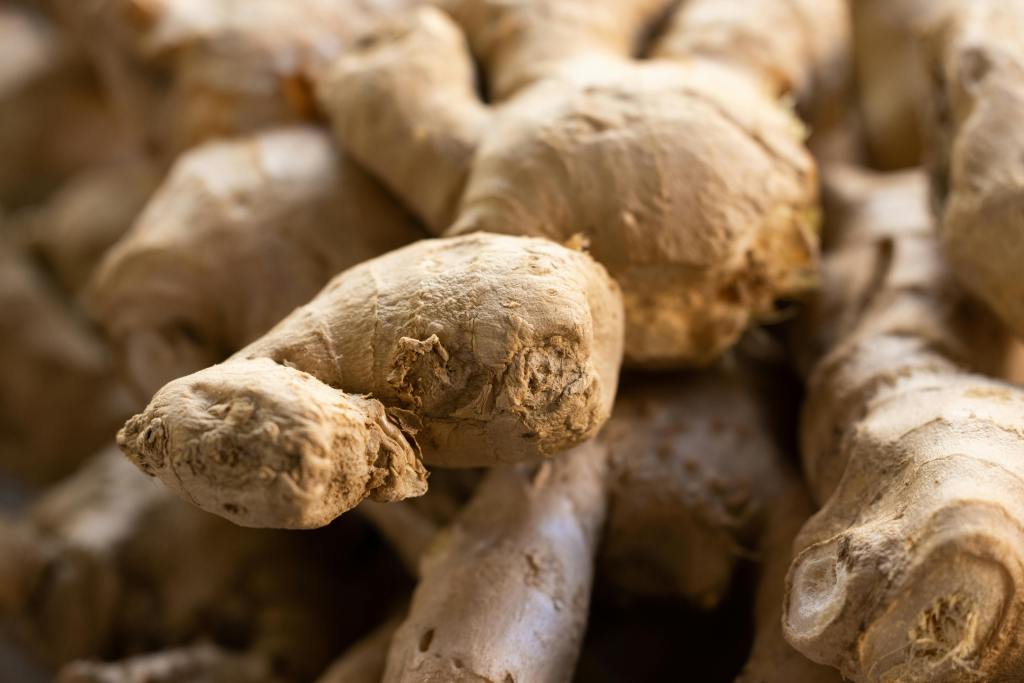
Folk remedies are traditional healing practices passed down through generations—usually by word of mouth—using natural materials like plants, minerals, food, and simple techniques to support health and treat common ailments. They’re rooted in everyday experience rather than formal scientific study… Continue reading
-
For the love of all things.
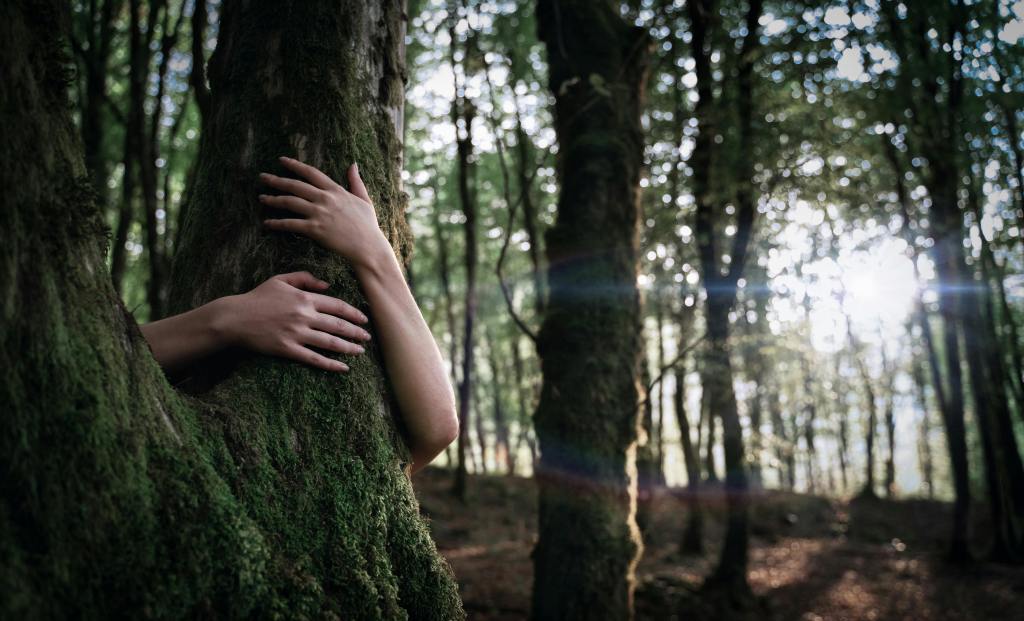
Ever since I was a child, I have had a devoted love of all things. All living things. I remember playing outside in the spring and catching honeybees in baby food jars just so I could be close to them… Continue reading
-
“Biophilia Hypothesis”
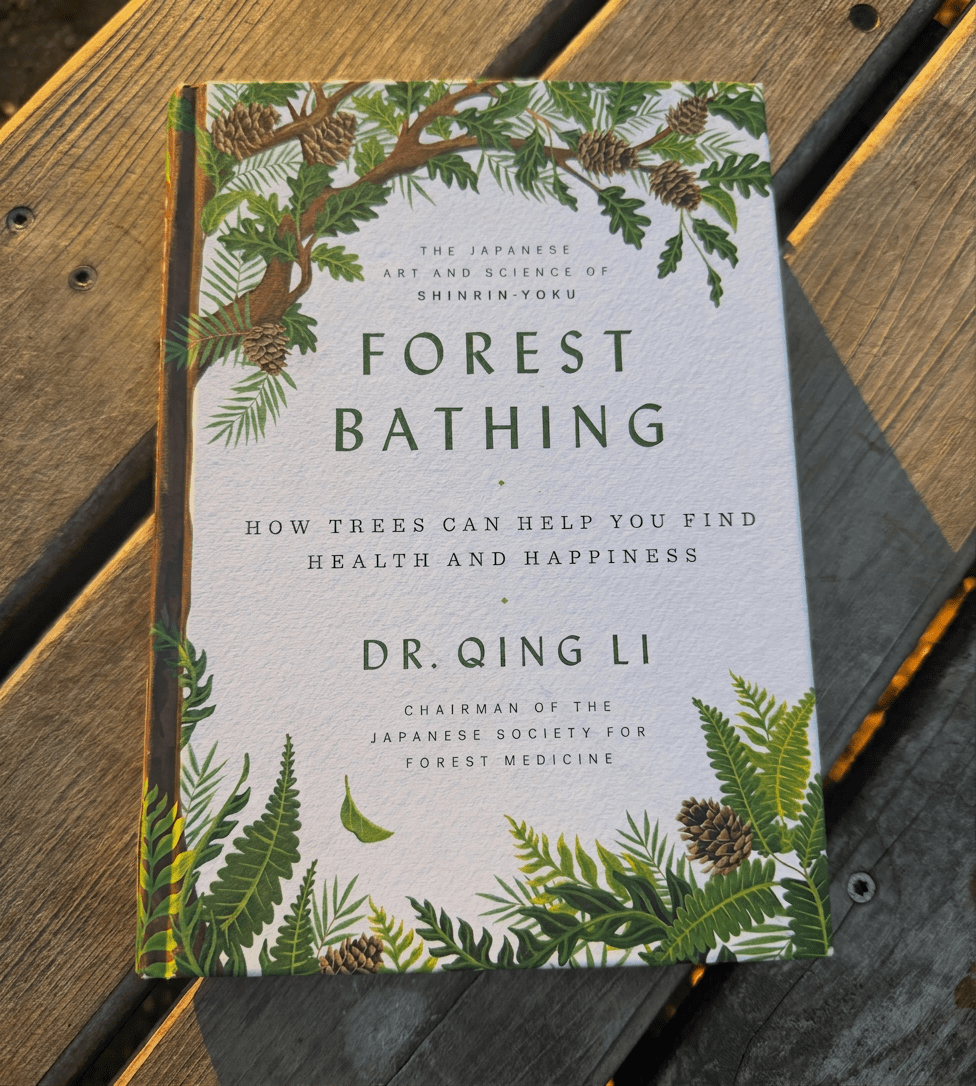
“Biophilia Hypothesis”The concept that humans have a biological need to connect with nature has been called biophilia, from the Greek, meaning love of life and the living world. The concept was made popular by the American biologist E. O. Wilson… Continue reading
-
Phytoncides
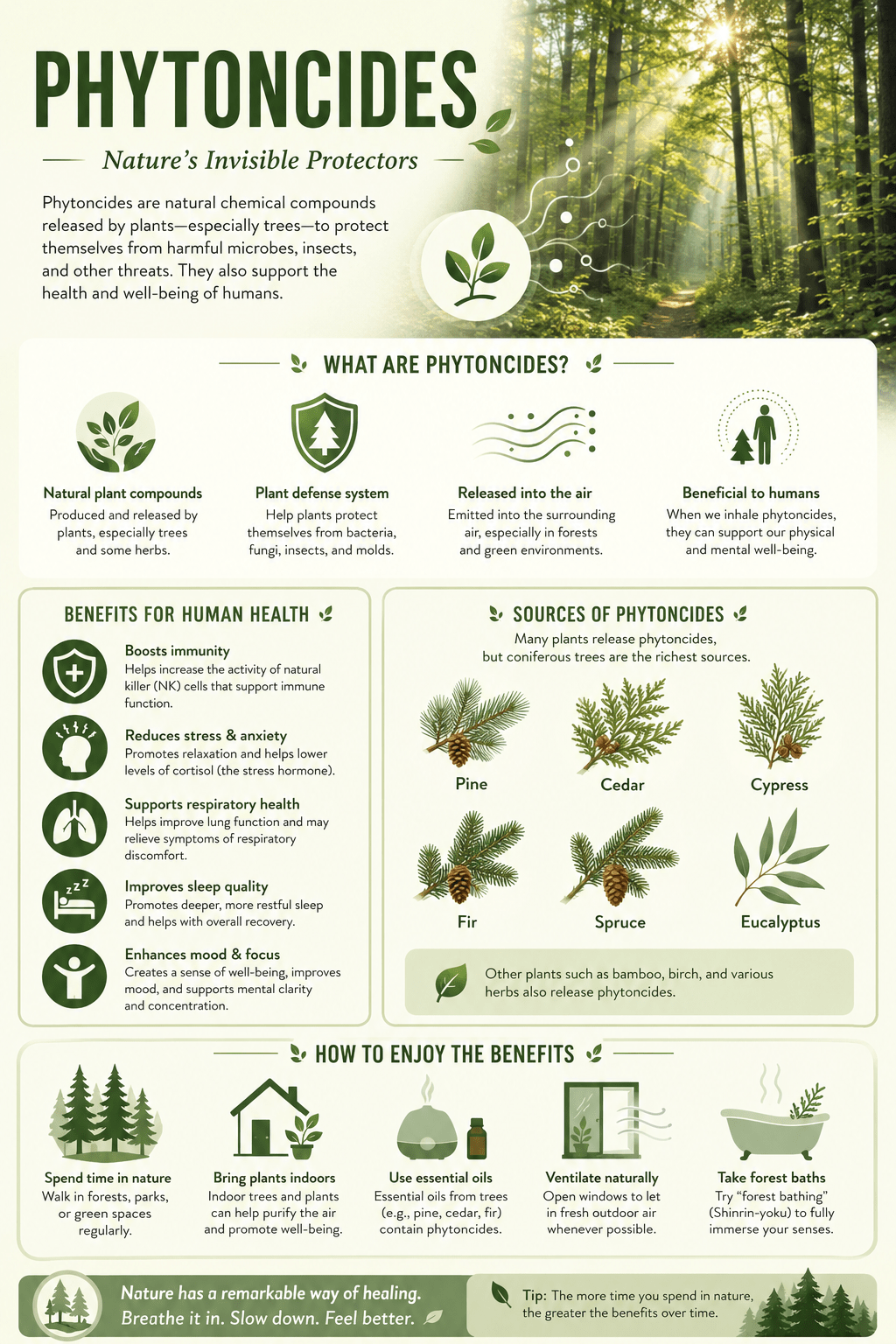
Phytoncides are natural chemical compounds released by plants—especially trees—as part of their defense system. These substances help protect plants from harmful bacteria, fungi, insects, and other environmental threats. When released into the air, particularly in forest environments, phytoncides can also… Continue reading

 alabamaforesthealingco